

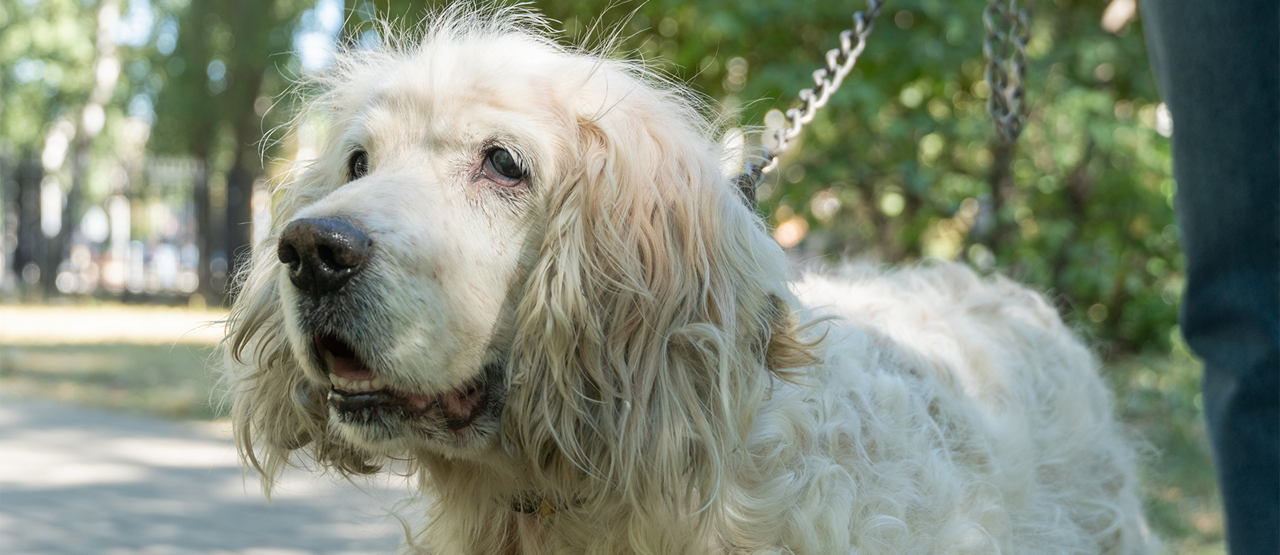
As our beloved pets age, their needs begin to change. That’s why it’s so important to give senior dogs and cats the specialized care they deserve. At Pups at Play Livingston, we’re here to help you navigate your pet’s golden years with compassion, expertise, and plenty of love.
Whether your furry friend is slowing down or still acts like a puppy or kitten, our team understands how to support them through every stage of life—physically, mentally, and emotionally.
When Does a Pet Become a Senior?
You might be surprised to learn that pets enter their senior years much earlier than you think. Age depends on species and size, but here’s a general guide:
Dogs:
-Large breeds: around 6–8 years old
-Medium breeds: around 8–10 years old
-Small breeds: around 10–12 years old
Cats: Typically considered senior at 10 years old
Even if your pet seems perfectly healthy, scheduling regular senior checkups ensures we can spot health changes early and help them stay happy and active longer.
Why Preventive Senior Pet Care Matters
Just like people, aging pets benefit from proactive care. Subtle changes—like stiffness, weight shifts, or slower movement—can signal underlying issues. Routine senior wellness exams let us detect these problems before they become serious.
At Pups at Play Livingston, our senior pet care services in Livingston, NJ include:
-Comprehensive physical exams and bloodwork
-Nutrition and weight management
-Pain and arthritis evaluation
-Dental care for older pets
-Cognitive and behavioral assessments
-Vaccination updates and parasite prevention
Our veterinarians create customized care plans for every pet, ensuring comfort, mobility, and overall well-being.
Common Signs of Aging in Pets: Some changes in older pets are easy to overlook—but they can tell you a lot about your pet’s health.
In Senior Dogs:
-Slower movement or limping
-Less energy or playfulness
-Cloudy eyes or trouble hearing
-Weight gain or loss
-Stiff joints or trouble getting up
-Changes in appetite or sleep
In Senior Cats:
-Sleeping more than usual
-Grooming less or developing a dull coat
-Hesitation to jump or climb
-More vocal at night
-Increased thirst or accidents outside the litter box
If you’ve noticed any of these, it’s time for a senior pet exam to rule out pain or illness and get your pet the support they need.
How Often Should Senior Pets Visit the Vet?
Once your dog or cat reaches senior status, we recommend biannual wellness visits—every six months instead of once a year. These more frequent exams allow us to monitor their weight, joint health, heart, and organ function more closely.
Our Livingston veterinarians take a gentle, individualized approach to senior pet wellness, adjusting diet, medication, and lifestyle plans to match each pet’s unique needs.
Tips to Help Your Senior Pet at Home
A few thoughtful changes can help your pet feel more comfortable as they age:
-Switch to a senior-friendly diet that supports joint and heart health
-Provide soft bedding or orthopedic mats
-Keep their living space easy to navigate
-Use non-slip rugs and ramps for easier mobility
-Maintain a steady routine for meals, walks, and rest
Simple adjustments like these can make a huge difference in your senior pet’s comfort and happiness.
Compassionate Senior Pet Care in Livingston, NJ
At Pups at Play Livingston, we treat your pets like family—because they are. Our experienced veterinary and care teams are proud to offer senior pet wellness services to dogs and cats across Livingston, Short Hills, West Orange, and surrounding Essex County communities.
Whether you’re scheduling a checkup or just have questions about your pet’s changing needs, we’re here to help every step of the way. Schedule your senior pet’s wellness exam today and let’s keep those golden years shining bright.
References:
American Veterinary Medical Association. (2023). Caring for Senior Pets.
PetMD. (2024). How to Tell When Your Pet Is a Senior.
Veterinary Partner. (2025). Recognizing Signs of Pain in Older Pets.